
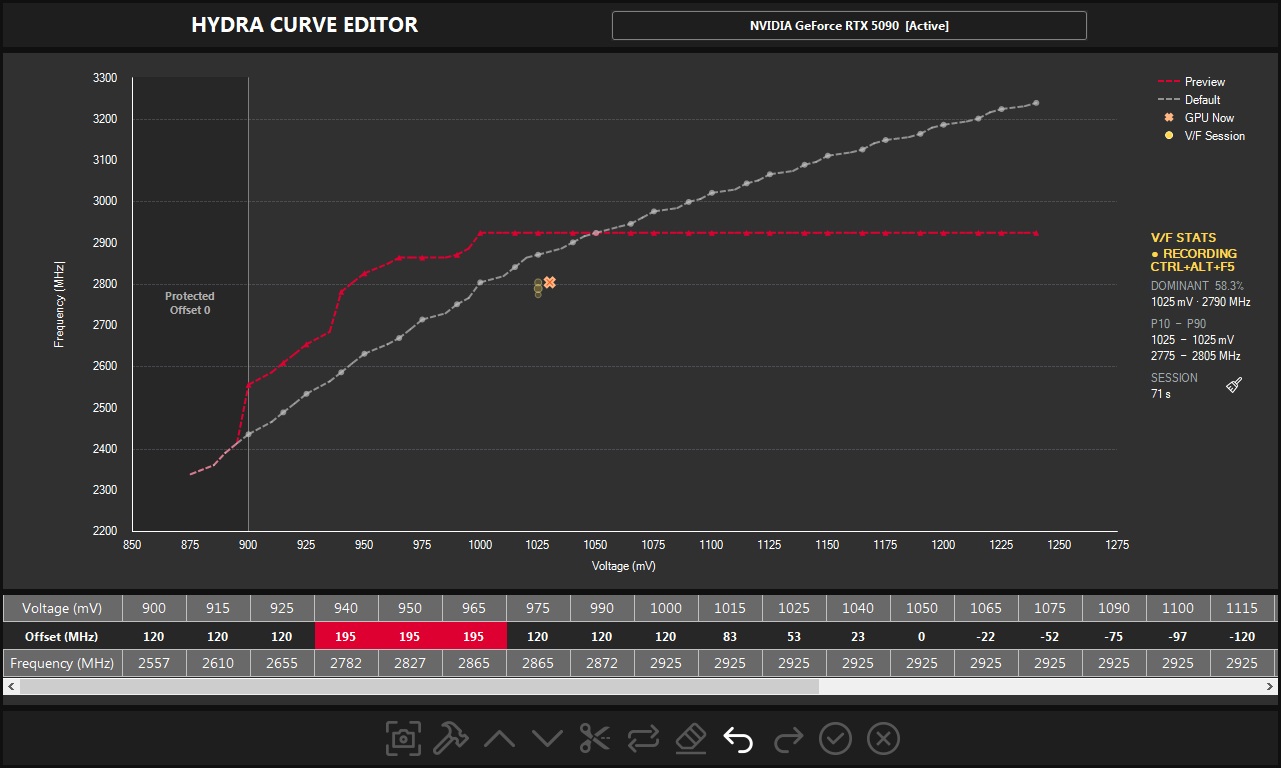
The launch of NVIDIA’s RTX 50 series stirred plenty of excitement in the PC gaming community, especially with the introduction of the HYDRA tool NVIDIA RTX 50, reminiscent of the buzz generated by the debut of high-performance sports cars. Naturally, every enthusiast eagerly anticipates how these GPUs will perform under various gaming loads. The recent updates around the HYDRA tool have introduced significant enhancements that allow users to push the RTX 50 series further than ever before, particularly by addressing VRAM limitations.
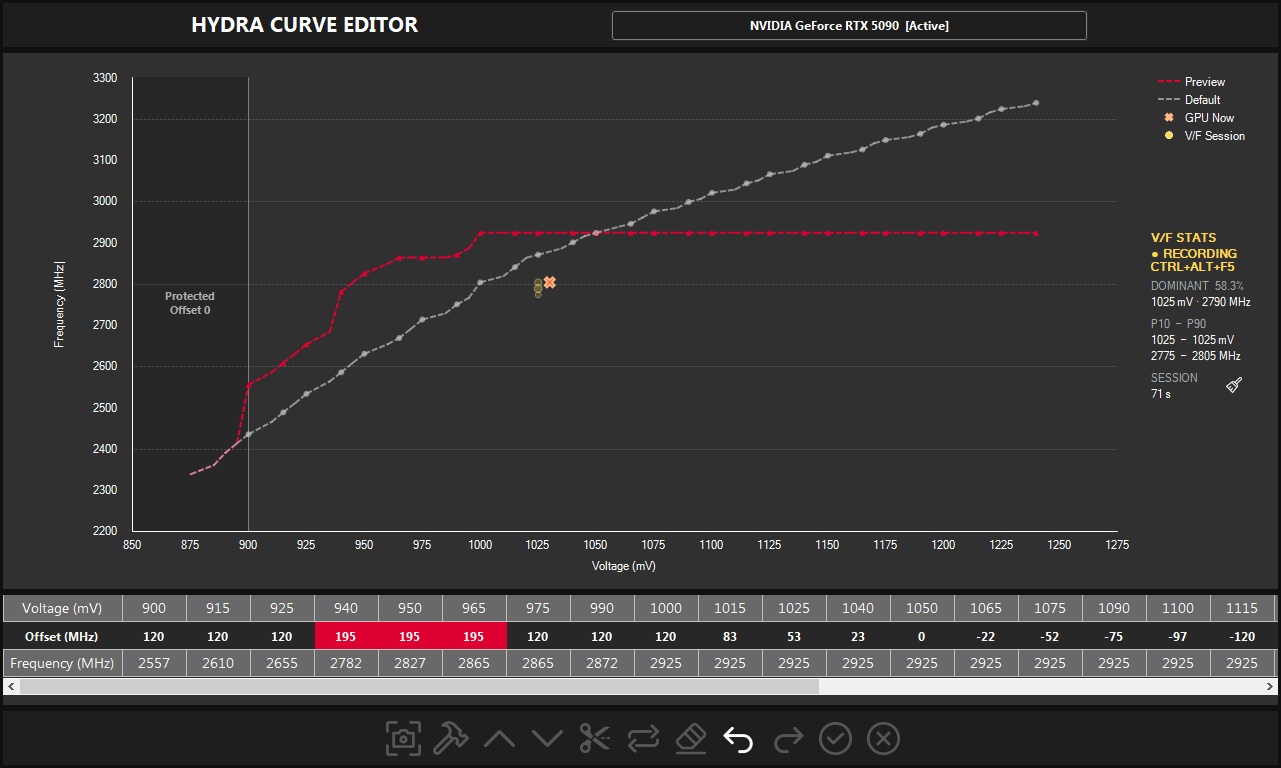
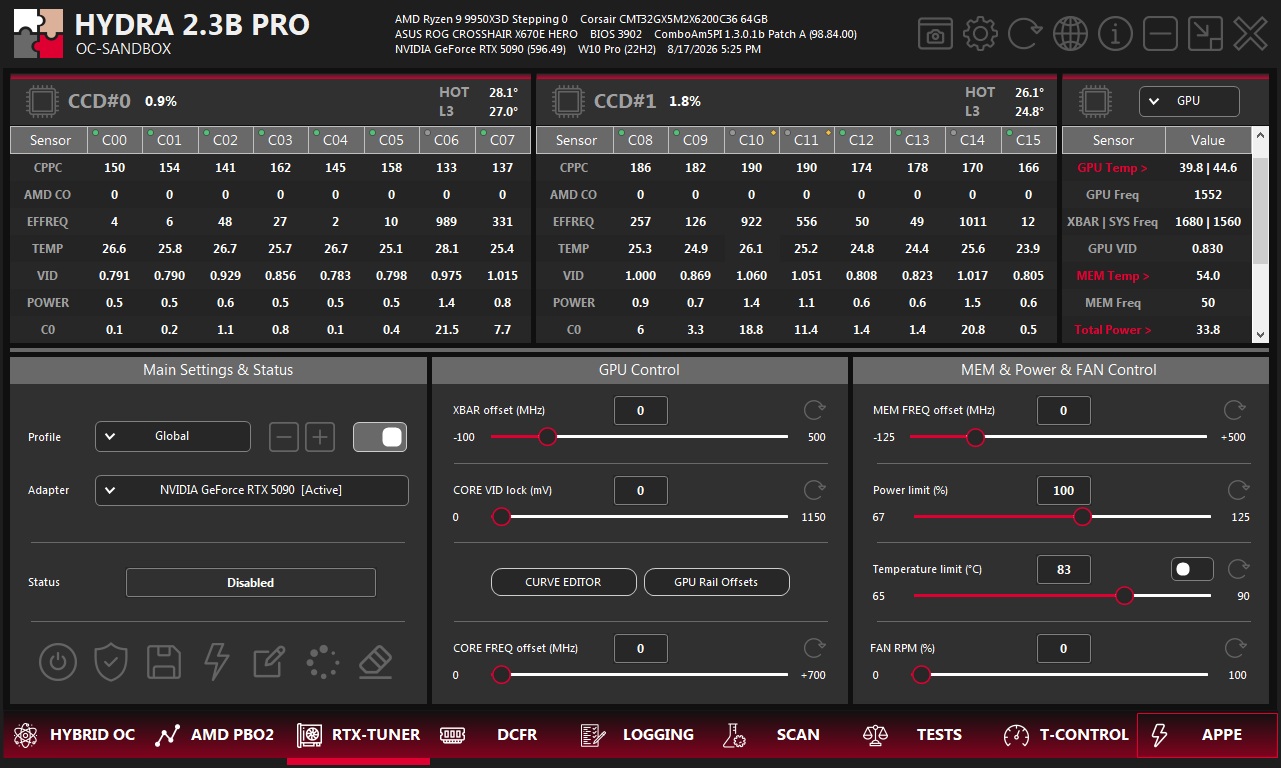
Imagine being able to tweak your car’s engine to deliver more power than the manufacturer intended. HYDRA does this for NVIDIA’s RTX 50 GPUs, enhancing GDDR7 memory speeds to an impressive 36 Gbps and raising power limits to an astounding 125%. The implications for gamers and content creators are vast, as these developments promise a noticeable boost in graphics performance.
HYDRA Tool NVIDIA RTX 50 Specifications and Features
- Memory Type: GDDR7
- Memory Speed: 36 Gbps
- Power Limit Increase: 125%
- Compatibility: NVIDIA RTX 50 Series
Yuri Bubliy, better known in tech circles as 1usmus, has once again taken the reins with this update, showcasing his commitment to enhancing user experiences through overclocking tools. From where I’m standing, these improvements could potentially unlock new levels of performance for gamers, which raises some exciting questions about their impact on gameplay and rendering times. It’s not just about speed; it’s about capability, and HYDRA’s updates might just offer that edge.
Drivers play an integral role in the performance of any GPU, and NVIDIA’s dedicated updates for its series are already paving the way for enhanced performance. I think it’s crucial that users keep their drivers up to date to harness the benefits of these advanced features fully. The balance between hardware and software has always been delicate, and this case strongly reflects how the right tools and updates can dramatically shift performance metrics.
For many PC gamers, the thrill of setting high frames per second in a demanding title can’t be overstated. As developers push the boundaries of graphic fidelity, the GPUs that can handle the load will become critical. The HYDRA tool NVIDIA RTX 50 now offers enthusiasts a pathway to exceed previous limitations, something they’ve been asking for since the introduction of the RTX 50 series.
The adjustments made possible by the HYDRA tool may also create new benchmark standards that enthusiasts will eagerly explore. As overclocking becomes more accessible, the community can expect to engage in lively debates over the most effective settings and configurations. Consider how this trend influences secondary markets: will we see more interest in cooled systems designed specifically for overclocking as gamers chase those extra FPS?
As we look toward the future, the landscape of GPU performance is shaping up to be more competitive than ever. Companies like NVIDIA will likely respond to the developments facilitated by tools such as HYDRA by rethinking their approaches to cooling, power efficiency, and even pricing. I can’t help but wonder how these shifts might impact the market for components, gaming in general, and the way developers design their games.
With HYDRA leading the charge, the RTX 50 series has begun a new era where overclocking and performance tuning are more user-friendly than ever. The power is now more undeniably in the hands of users – at least for those willing to experiment. As the dust settles, we’ll keep an eye on how effectively the gaming community embraces this innovation and whether NVIDIA or rival companies take note and adapt accordingly.
Discovery source: Wccftech.
Related coverage: More PC hardware news on Frank’s Bench.